

Removing Structural Barriers to Participation:
An Equity-Centered Approach to Youth Sport
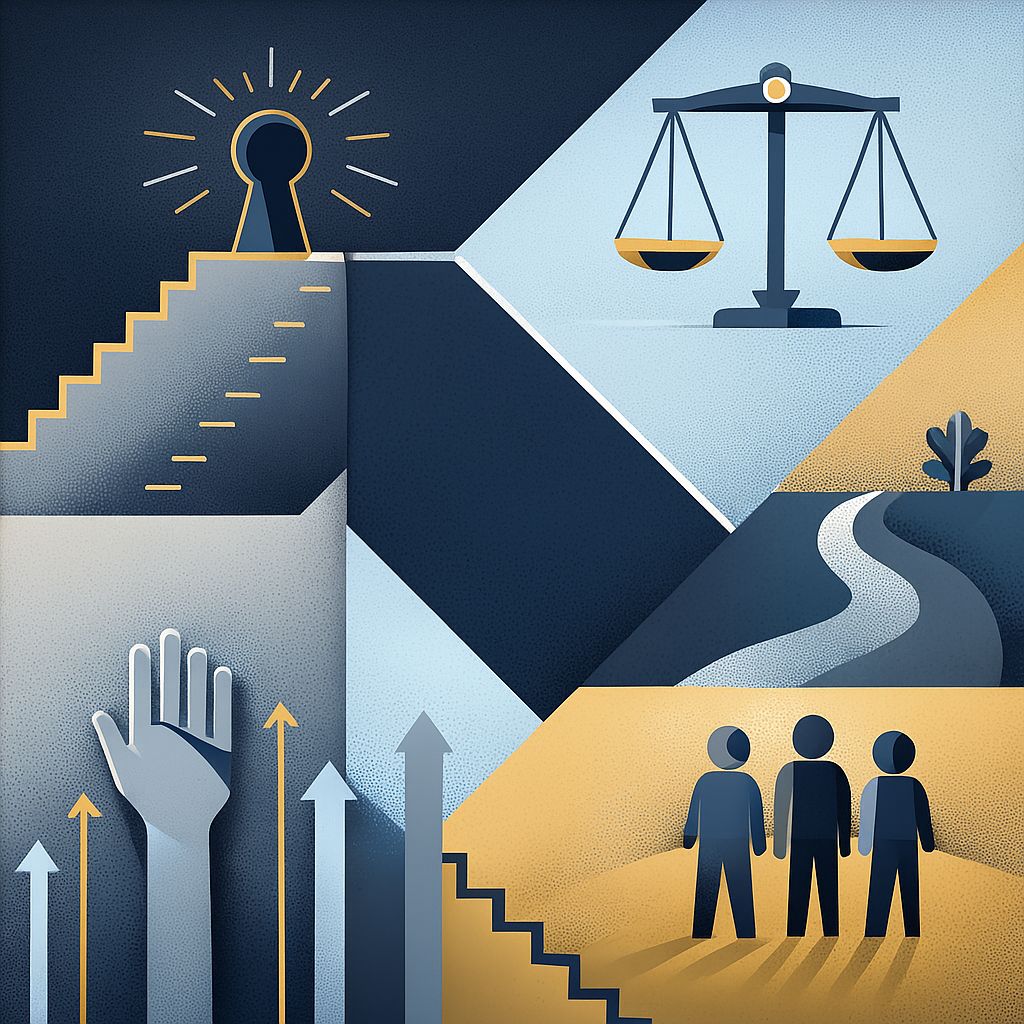
I began coaching high school track and field in 2000, never expecting it would become a decades-long calling. Over the years, coaching shifted from a simple passion for sport into a deeper commitment to youth development, belonging, and access. Witnessing the team I coach winning state championships and receiving coach-of-the-year honors has been meaningful, but the most transformative moments came from helping young athletes find confidence, community, and opportunity. That foundation ultimately opened the door in 2010 to build something larger; an equity-focused youth athletics program that removed barriers for families who otherwise would have been left out.
From 2010 to 2015, I was a volunteer member of Club Northwest, a Seattle-based 501(c)3 dedicated to strengthening community and post-collegiate running. During my tenure, I founded and led the organization’s first Youth Athletics Program as it’s Head Coach, with the mission to expand access, eliminate cost barriers, and ensure that all young athletes, regardless of background, could participate in safe, inclusive, developmentally supportive sport environments. Due to the success of the youth athletics program, I was elected to serve a two-year term, from 2013 - 2015, as a sitting member of the Board of Directors, overseeing the Youth Athletics program as the inaugural Director of Youth Programs.
The work centered on equity, dignity, and access: building a program where financial means, family resources, and prior experience would not determine a child’s opportunity to participate.
Overview
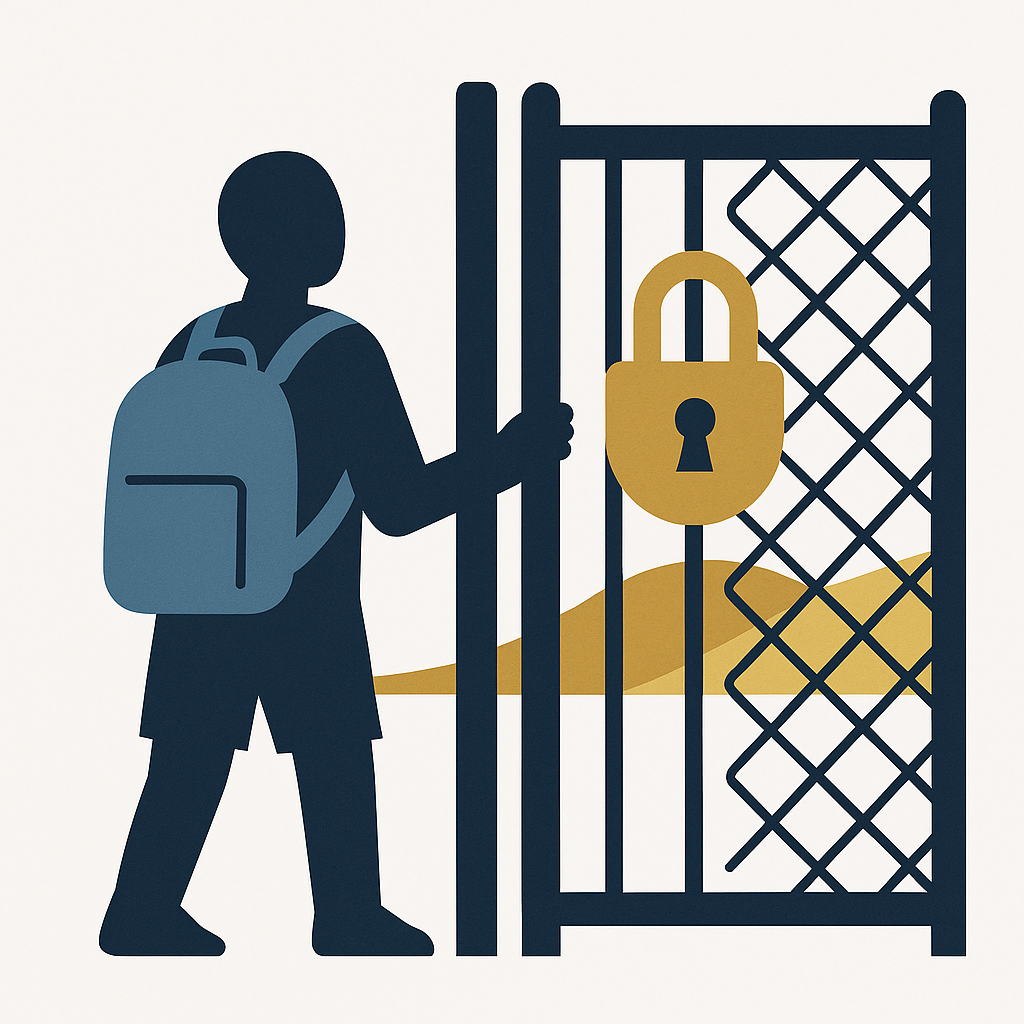
Youth sport participation often mirrors broader social and economic divides.
Common barriers included:
Participation fees
Uniform and equipment costs
Travel expenses
Lack of transportation options
Uneven community support
An absence of inclusion-focused program structures
For many families, these barriers resulted in exclusion before a child ever reached the starting line.
Club Northwest had deep community roots, but no youth program.
Creating one meant designing a model that:
Removed financial obstacles
Built partnerships with schools and community centers
Prioritized safety, belonging, and positive development
Aligned with families’ real needs
Could be run entirely through volunteer leadership
The Challenge
As Founder, Head Coach, and Director of Youth Athletics, I:
Designed the program vision and structure
Established the equity and inclusion standards
Built community partnerships to reach underserved youth
Secured funding to fully subsidize participation for qualifying families
Coached, mentored, and supported young athletes directly
Developed the long-term sustainability model
Ensured the program reflected Club Northwest’s mission of community health and access
The work was fully volunteer-based, driven by a commitment to equitable participation and youth-centered development.
My Role

Equity & Inclusion at the Core
The program was designed with one non-negotiable principle:
No child would be turned away due to cost, equipment, or experience level.
This required:
Eliminating all participation fees
Providing uniforms, shoes, and equipment
Offering transportation or meeting families where they were
Ensuring culturally responsive and inclusive environments
Training volunteer coaches in youth-centered development
Community Partnership Development
We built outreach and referral pathways with:
Local schools
Community centers
Parent groups
Neighborhood organizations
These partnerships helped us reach families who traditionally lacked access to structured sport opportunities.
Youth Development Philosophy
The program emphasized:
Belonging over performance
Confidence over competition
Long-term development over short-term outcomes
Emotional safety alongside physical growth
Leadership opportunities for older youth
The goal was not simply to create runners, but to create supportive, healthy developmental environments for children and families.
Approach

Founded the Youth Athletics Program at Club Northwest
Secured funding enabling 100% subsidized participation for families in need
Established partnerships with local schools and community groups
Provided equipment, uniforms, and resources at no cost
Embedded inclusion and access standards into the long-term program model
Built a fully volunteer-driven operational structure
Created a safe, supportive environment for youth athletes of all experience levels
Actions Taken
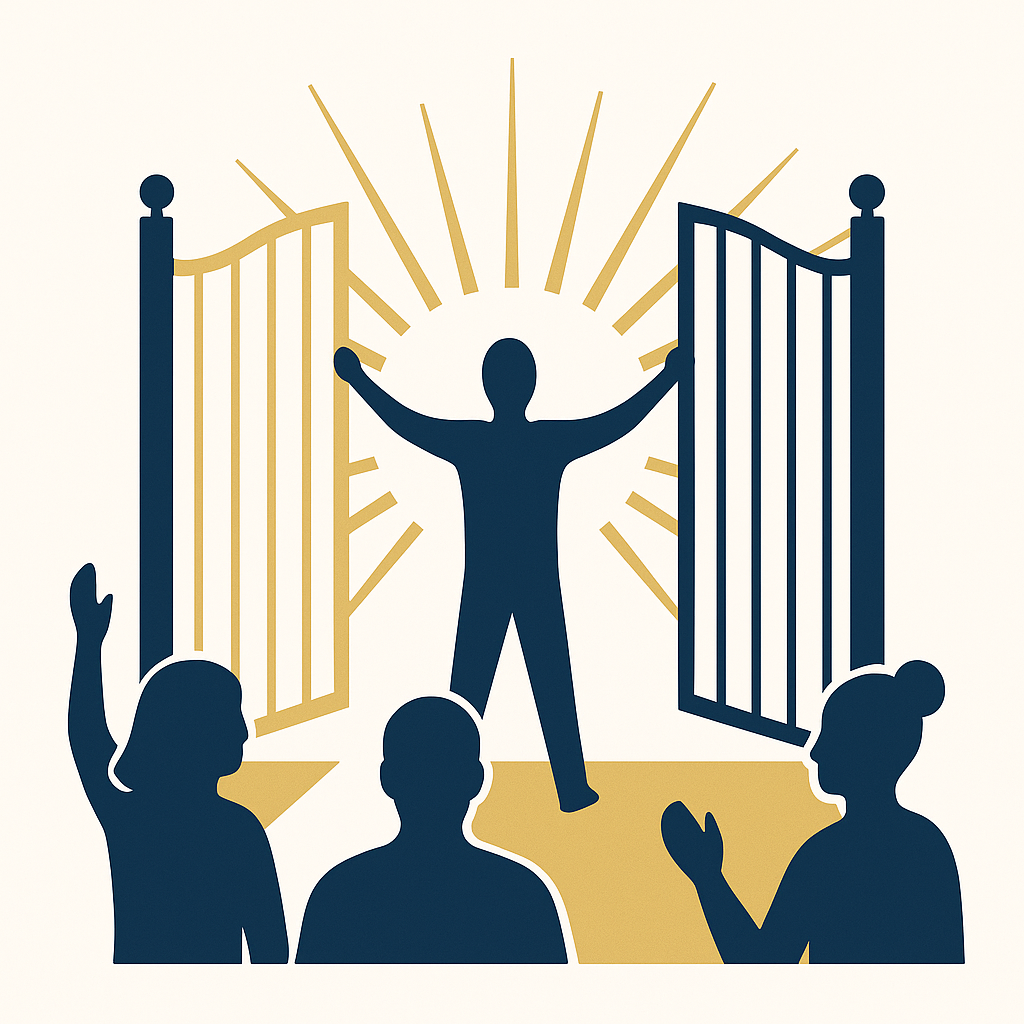
The Youth Athletics Program created:
Genuine access for families historically excluded from organized sport
A sustainable model of community-supported youth development
Expanded participation from communities underrepresented in athletics
A welcoming, inclusive environment focused on whole-person growth
Pathways for young people to build confidence, leadership, and resilience
Several of the inclusion and equity frameworks established during this period became embedded in Club Northwest’s ongoing youth initiatives, shaping the culture of the organization long after my term ended.
Impact
At its core, this work was about more than building a youth sport initiative. It was about ensuring that every child, regardless of background, resources, or experience had a place where they felt safe, supported, and valued. Removing financial and structural barriers wasn’t just a logistical decision; it was a commitment to dignity and belonging.
By centering equity, the program created opportunities for young people who often lacked access to organized sport, and it demonstrated how community partnerships, intentional design, and volunteer-driven leadership can reshape what youth athletics can look like.
The heart behind the program was simple: to build an environment where every young athlete had the chance to participate, grow, and thrive. That belief guided every decision, and it continues to shape how I think about equity, access, and youth development across all sectors of my work.